| Feature | UV LED | Traditional Mercury Lamps |
|---|---|---|
| Instant On/Off | Yes (no warm-up time) | No (needs 5–10 min warm-up) |
| Energy Efficiency | Up to 70% less energy | High energy consumption |
| Lifespan | 20,000+ hours | 1,000–2,000 hours |
| Heat Output | Low (cool to touch) | High (requires cooling systems) |
| Environment | Mercury-free, safe | Contains toxic mercury |
| Wavelength Precision | Single peak (±5 nm) | Broad, inefficient spectrum |
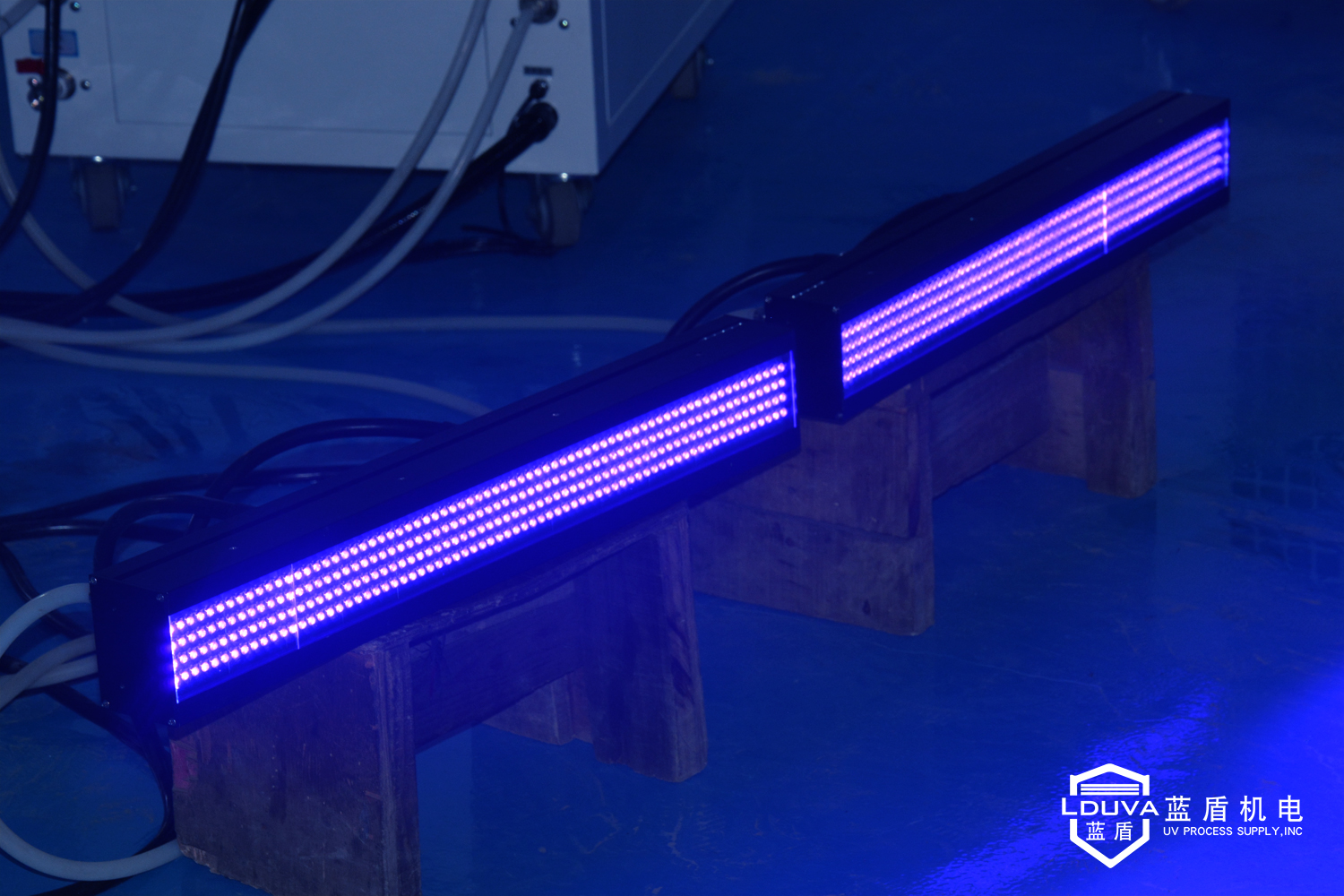
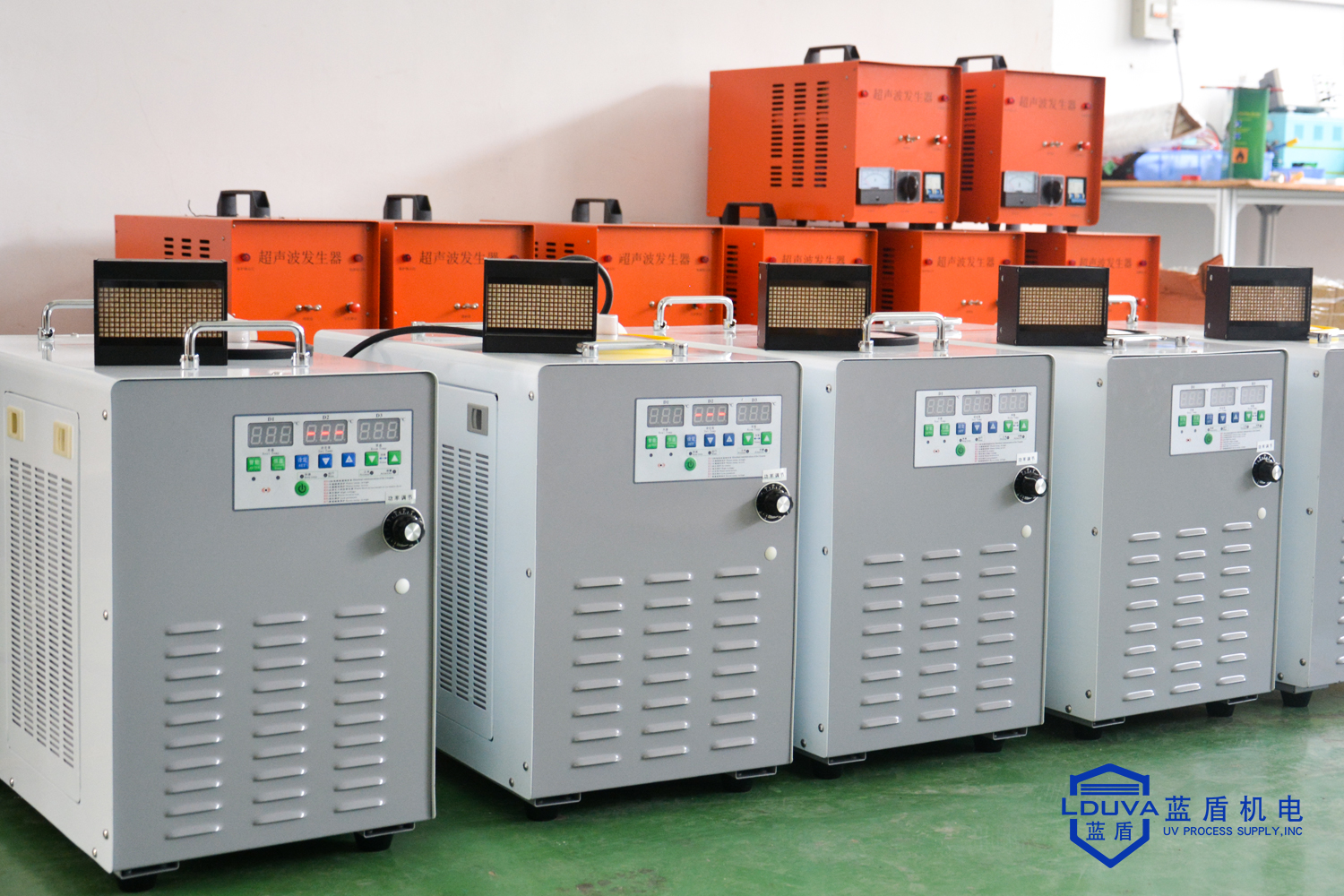
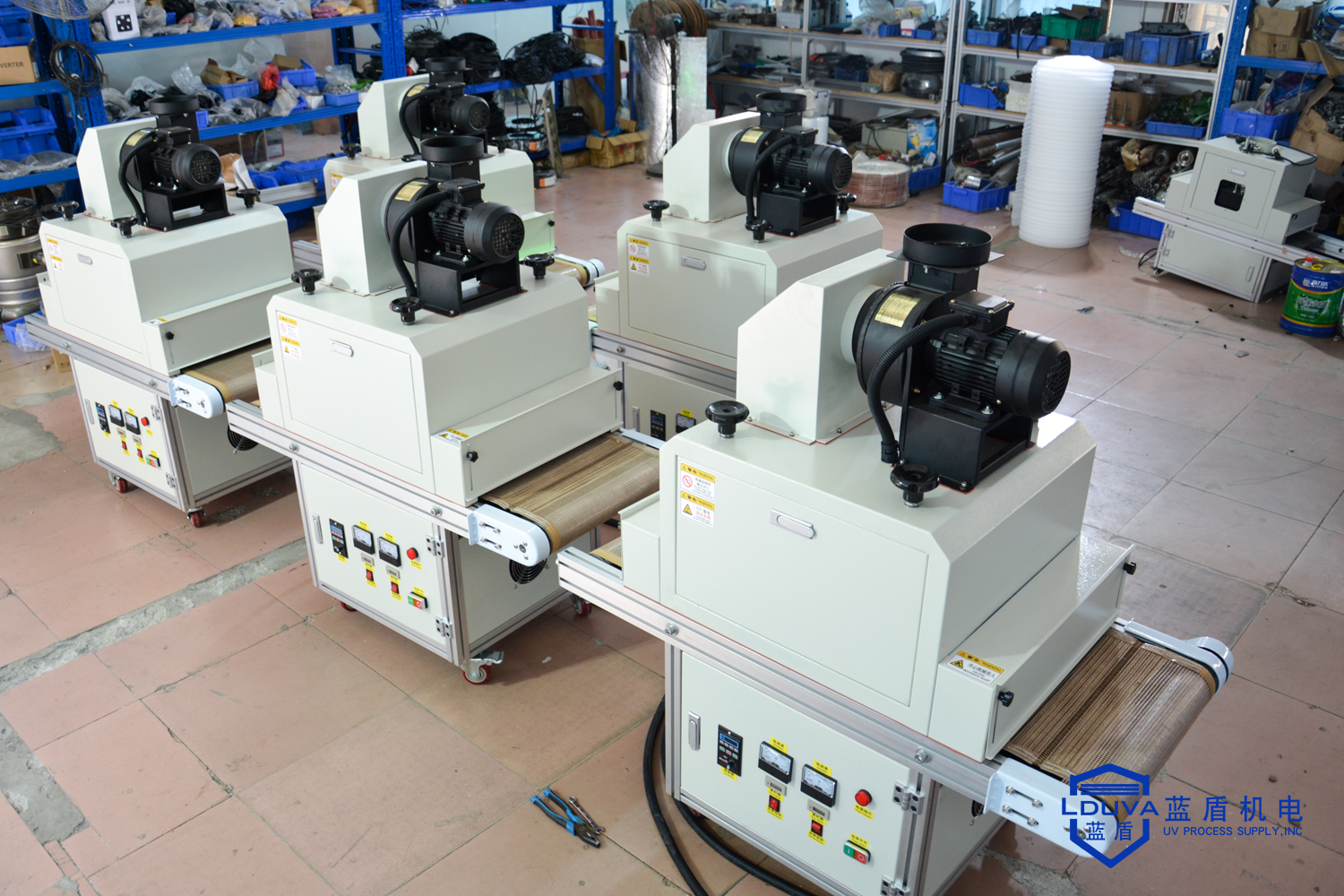
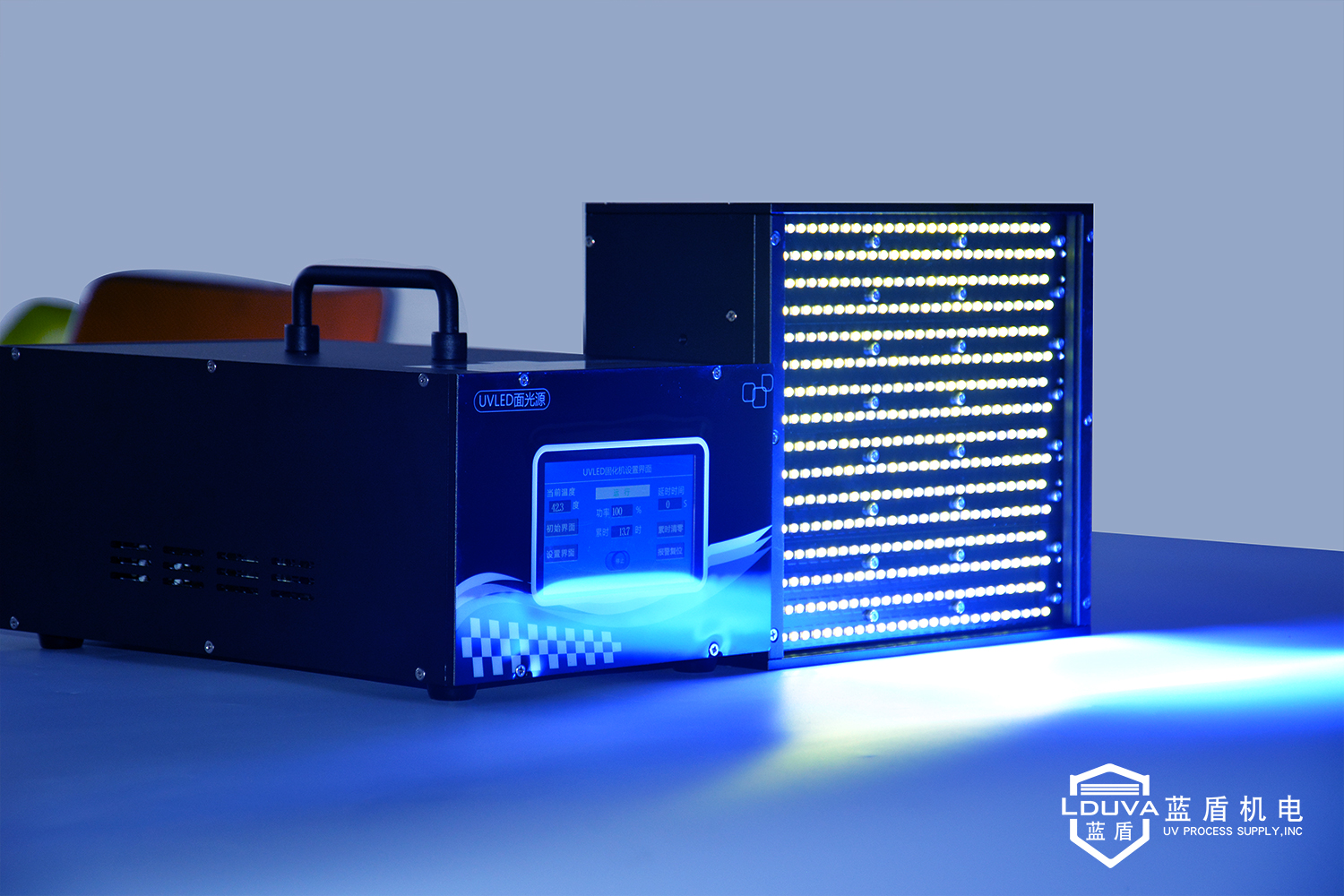
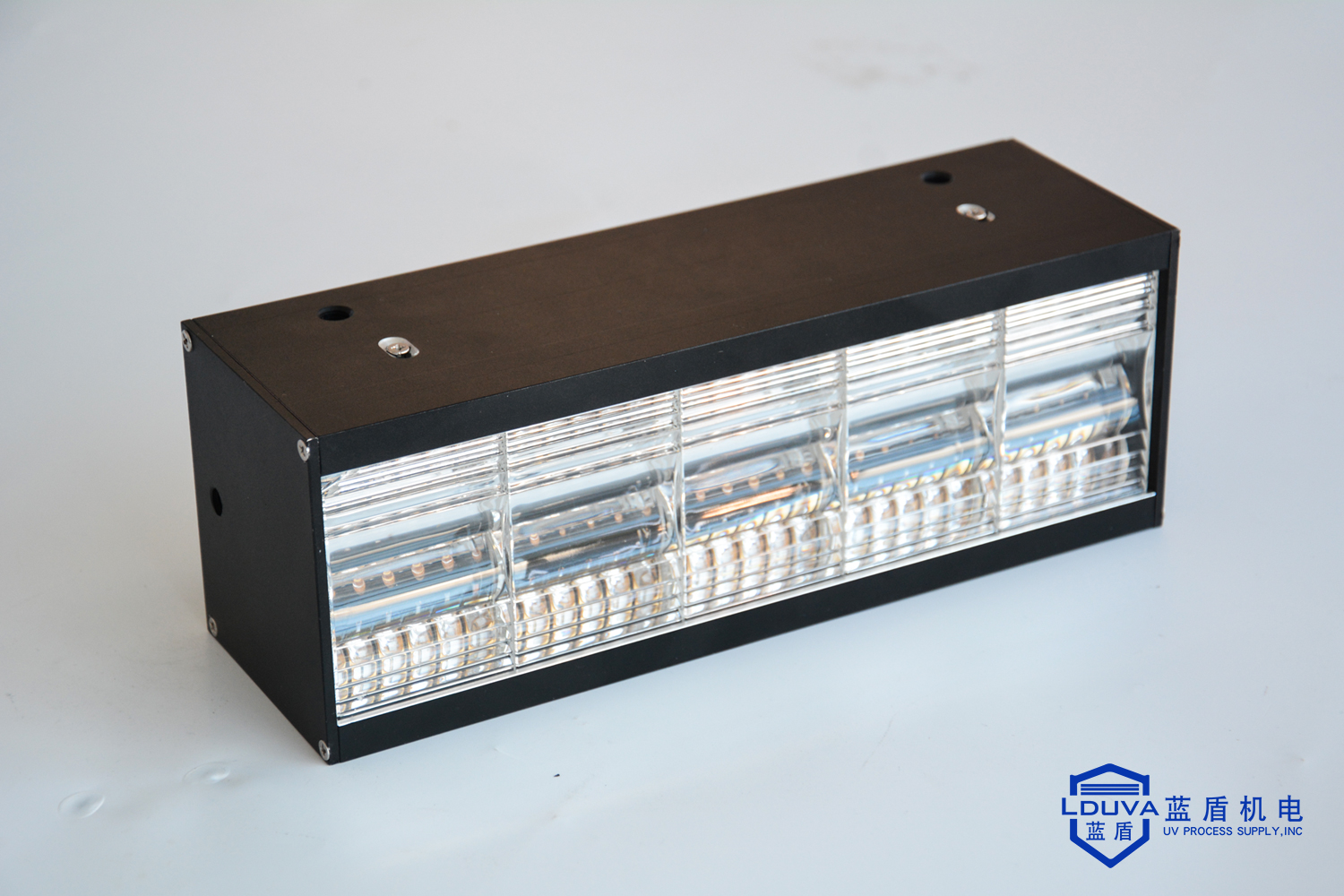
LED curing equipment features low-temperature operation, energy efficiency, instant curing, ozone‑free performance, and compatibility with automated production lines. It is widely used in various industrial sectors including printing, electronics, and coating. The equipment enables rapid drying, curing, bonding, and shaping of materials for different industries, greatly improving production efficiency and product stability.
Printing Industry
Suitable for label printing, flexible packaging printing, screen printing, digital inkjet printing, self‑adhesive label printing, and other scenarios, it dries and cures UV inks, water‑based inks, gloss varnishes, and matte varnishes. It applies to printing substrates such as books, picture albums, food packaging, daily‑chemical labels, tobacco and alcohol packaging, plastic films, and paper. After curing, the printed layers exhibit strong color adhesion, friction resistance, and waterproof and scratch‑proof properties. Its low‑temperature curing avoids damage to thin substrates like films and paper, making it ideal for high‑speed printing production lines.
Electronics Industry
It is adopted in the production of PCB circuit boards, FPC flexible circuit boards, mobile phone components, semiconductor devices, display modules, connectors, sensors, and more. It mainly cures electronic UV adhesives, sealants, bonding glues, photoresists, conformal coatings, and potting compounds for bonding, insulation, moisture proofing, dust proofing, and surface protection. The low‑temperature feature prevents precision electronic components from thermal damage, meeting high‑precision and high‑cleanliness production requirements.
Coating Industry
It cures UV coatings, topcoats, primers, and clear coats on surfaces of plastic, hardware, wood, glass, ceramic, and other workpieces. Widely used for home appliance housings, 3C product casings, auto parts, furniture panels, glass panels, metal fittings, and more, the cured coatings feature high hardness, excellent gloss, and corrosion and aging resistance. More energy‑efficient than traditional drying methods and free from solvent volatilization, it complies with environmental production standards and fits automated spraying, roller coating, and flow coating production lines.
Other Extended Industries
It is also applicable to adhesive lamination, composite materials, footwear, furniture, handicrafts, medical devices, and other fields. By curing UV adhesives, resins, coatings, and bonding agents, it achieves rapid material shaping, shortens production cycles, and reduces energy consumption and defect rates.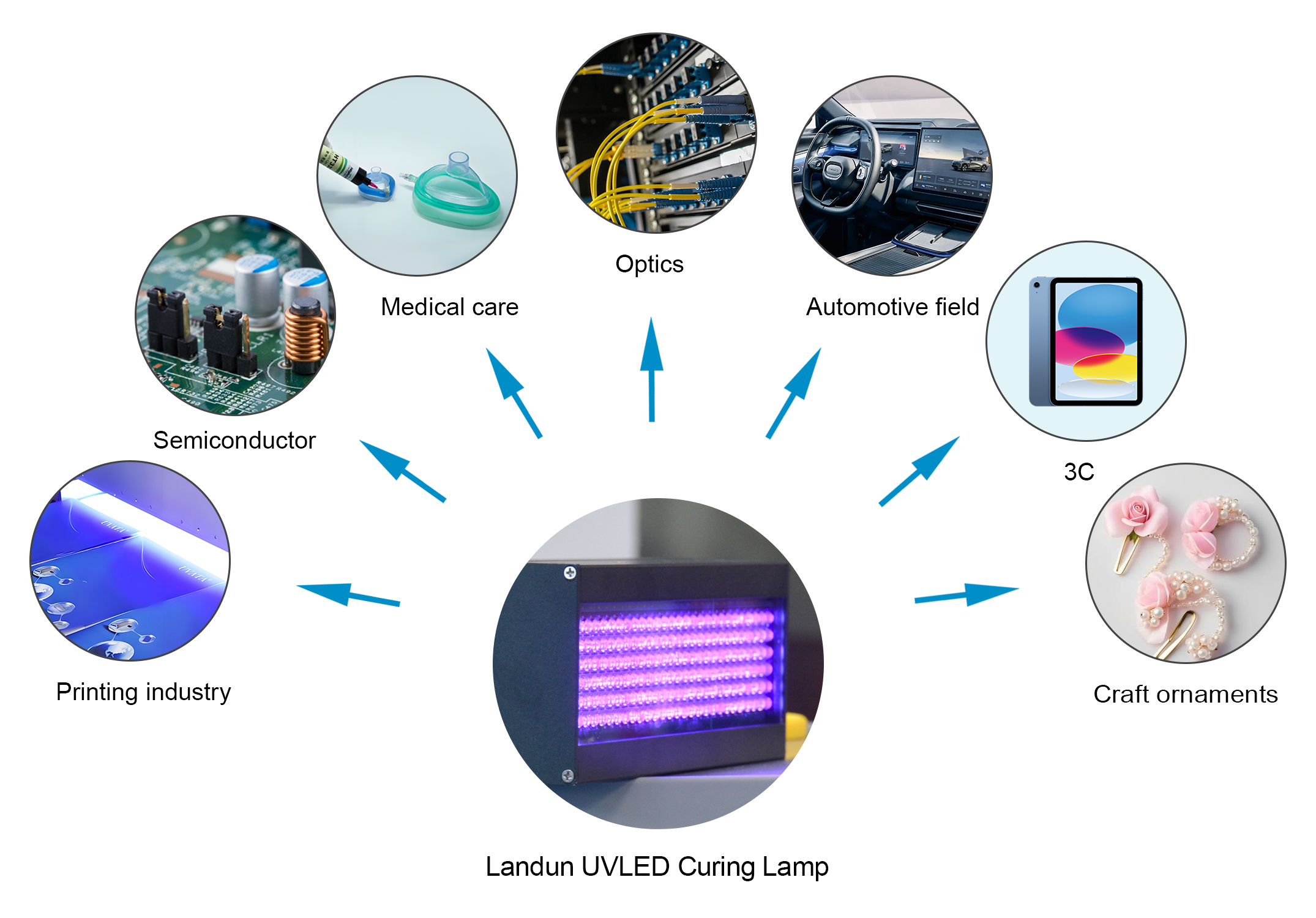
Summary: Why Choose UV LED?
A UV LED light source is more than just an incremental improvement — it's a fundamental upgrade. It delivers instant curing, lower operating costs, a longer lifespan, and environmental safety, while unlocking new applications that were impossible with hot, bulky mercury lamps.
Whether you are printing labels or manufacturing high-end electronics, UV LED technology provides the precise, reliable, and efficient ultraviolet light you need.