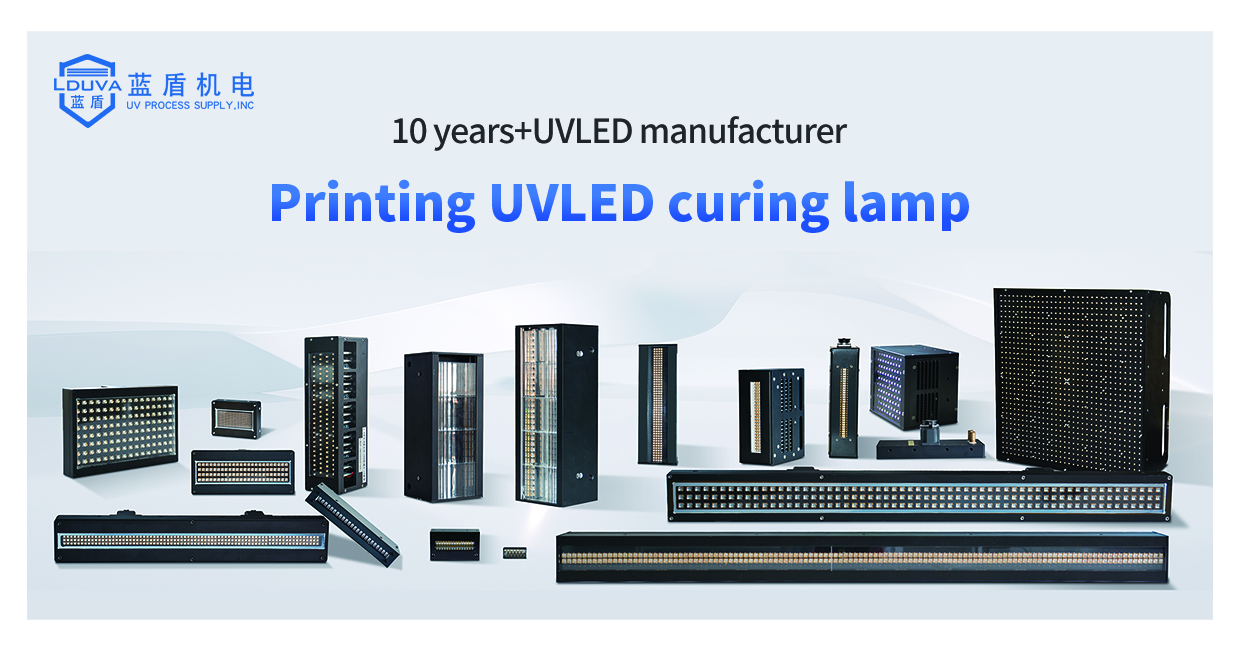
Incomplete curing of UV ink is a common problem in printing production, which can easily lead to quality defects such as ink sticking, poor adhesion, low wear resistance, dirt and scrap. Blue Shield Electromechanical provides practical solutions based on actual production.
Why Your UV Ink Isn’t Curing
For printing, coating and label production industries, incomplete UV ink curing is one of the most common production troubles. It leads to surface stickiness, poor abrasion resistance, color fading, ink peeling and product disqualification, directly raising your rejection rate and delaying delivery schedules. With years of and on-site service experience in UV curing systems, Landun Electromechanical summarizes the core causes and targeted solutions, helping enterprises eliminate curing failures and stabilize production quality.
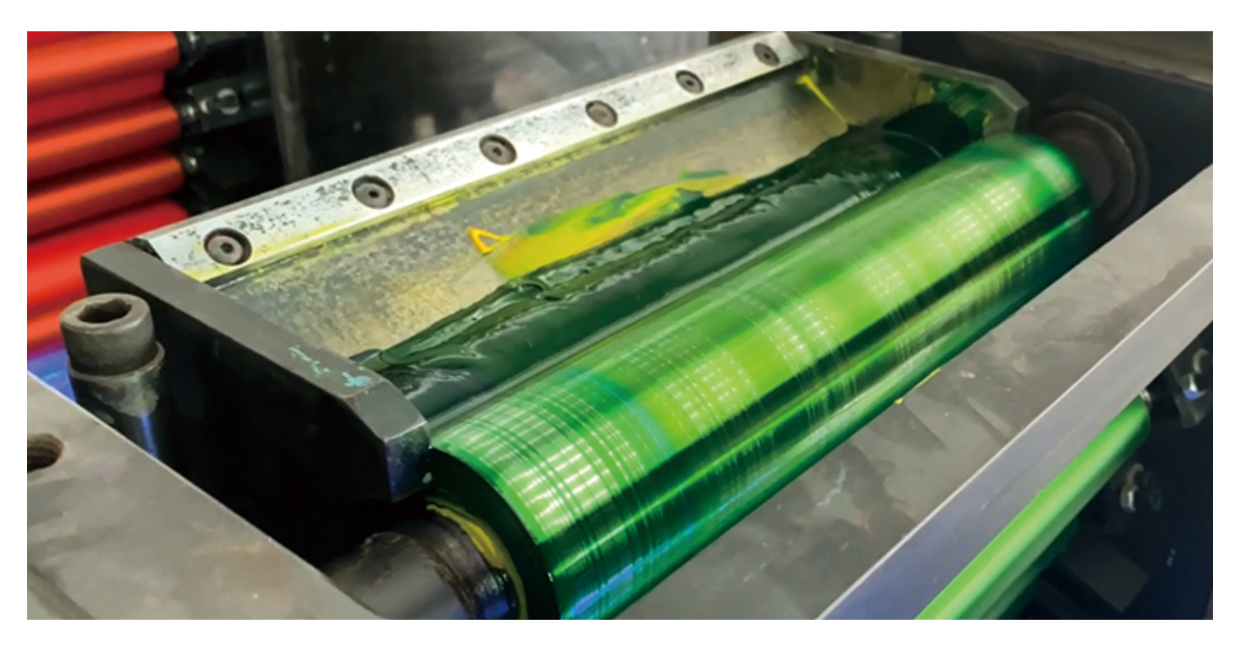
Main Causes of Incomplete UV Ink Curing
-
Low UV energy
Aged lamps, dirty reflectors, or line speed too high reduce curing power.
-
Wrong ink type
Ink not matched to your printing process (flexo, offset, inkjet) or substrate material.
-
Ink too thick or too dark
Heavy film weight or opaque colors (black, white, deep blue) block UV penetration.
-
Heat-sensitive substrate
Thin films or low-heat paper cannot tolerate the temperature needed for full cure.
-
Oxygen inhibition
Oxygen at the ink surface slows polymerization, leaving a tacky or rub-off layer.
-
Bad ink condition
Expired, contaminated, or poorly stored ink loses reactivity.
Corresponding solutions
-
Boost UV energy
Use a radiometer to measure output. Replace aging lamps, clean reflectors, and reduce line speed.
-
Match ink to job
Consult your supplier. Select ink designed for your specific process and substrate.
-
Reduce ink film
Lower anilox volume or use a thinner stencil. For thick layers, try multi-pass curing.
-
Manage substrate heat
Switch to LED UV (low heat). Add cooling rollers or run a cure ladder test.
-
Counter oxygen inhibition
Increase lamp intensity. For critical jobs, use a nitrogen blanket or oxygen-barrier additives.
-
Maintain ink quality
Follow shelf life (6–12 months). Store below 25°C (77°F), away from light. Never mix different brands.
Choose Landun Electromechanical
As a professional manufacturer focusing on UV curing equipment, Landun Electromechanical integrates production, sales and after-sales service. We not only supply high-quality UV lamps, UV LED modules, complete curing machines and supporting cooling & ventilation systems, but also solve all kinds of abnormal curing problems for customers from the source.
Whether you encounter occasional incomplete curing or long-term unstable product quality, our experienced engineers can quickly locate faults and launch optimal solutions. Reduce production losses, improve product yield and create greater value for your business with reliable UV curing technology and services from Landun Electromechanical.
Contact us now to get free process consultation and equipment customization solutions!